
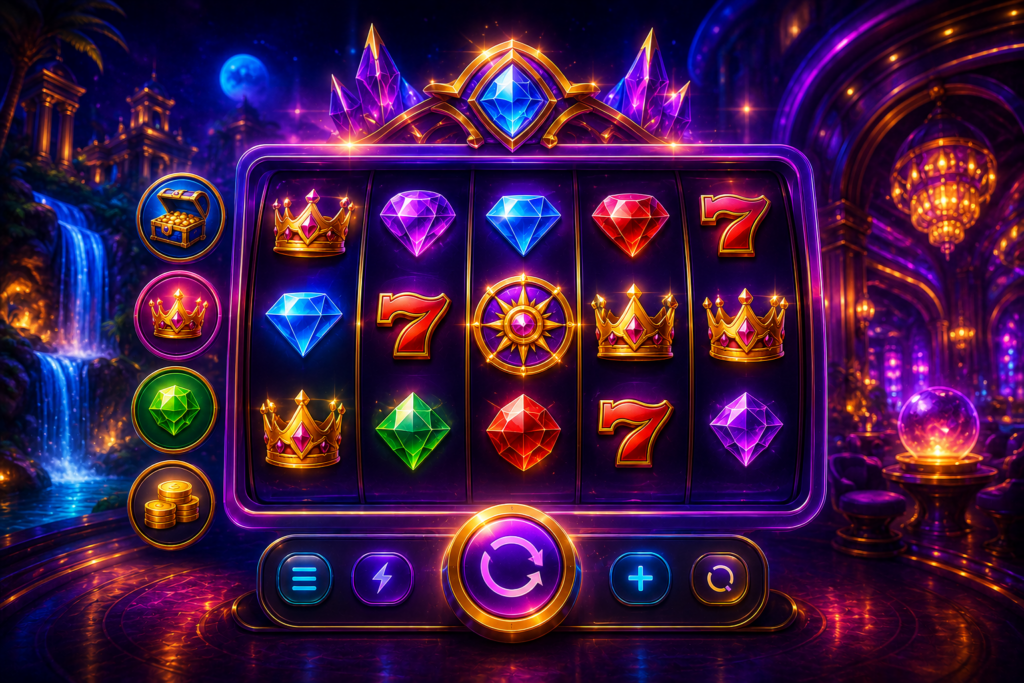
Modern slot machines look nothing like their mechanical ancestors. Game developers now build interactive experiences backed by complex algorithms and real-time feedback loops. Many leading platforms, such as a casino Winspirit online, merge classic gambling mechanics with software engineering principles, creating a seamless digital playground where code and chance intersect.
Key Statistics Changing the Industry
Before exploring design methods, consider these verified data points shaping the current market:
- According to Statista, the global online casino market reached $66.7 billion in 2023, with slots accounting for over 70% of revenue.
- A 2025 study by IEEE found that 83% of modern slot games use procedural generation to create dynamic reel patterns.
- Average session duration for video-based slot games increased to twenty-two minutes in 2024, up from fourteen minutes in 2020.
- Developers who implement random number generator auditing reduce payout variance complaints by over forty percent.
- Microsoft’s annual gaming report shows that 61% of players aged eighteen to thirty‑five prefer symbols from pop culture franchises rather than traditional fruits.
- Cloud computing migrations in game development lowered implementation costs by approximately 35% between 2022 and 2025.
How Programming Shaped Modern Slot Engines
Every bonus round and progressive escalation depends on clean code architecture. Developers at resource platforms like NixCoders.org teach that modular programming breaks large projects into testable components. Slot designers follow the same strategy. They build each feature line—free spins, multipliers, wild substitutions—as a separate software module. This approach reduces bugs during updates and allows quicker rollout of new bonus cycles. Professional codders know that refactoring code inside a slot engine mirrors debugging a large server farm: systematic testing prevents costly runtime errors.
Well‑structured code also determines how big wins function. A well‑designed hit rate algorithm might reward one minor victory every seven rounds, escalating player anticipation without depleting the virtual bank. Java and C++ remain the backbone for real‑time decision engines, while web developers now adopt WebAssembly for compiling high‑efficiency reel animations directly inside browsers.
Game Mechanics Borrowed From Software Sprints
Agile methodologies influence slot animation flows. Development teams work in two‑week sprints to test new pay structures before integrated launches. Instead of linear storyboards, engineers deliver minimum viable reel systems and measure retention data. This process mirrors how tech bootcamp mentors at coding communities train new engineers. They focus on eliminating expensive over—engineering and investing instead in loops that sustain “spin equity”—the moment a player feels anticipation locked just long enough before result display.
Animations respond to play patterns in ways older manual slot terminals never could. JavaScript request animation frames handle twenty‑nine catches per spectator view, similar to video‑encoding procedures described in software optimization feeds across developer forums.
Interface Psychology Through Feedback Loops
User retention in digital interactive tools runs heavily on micro‑feedback. Each coin ripple, win flash, and progress f dose triggers your release of dopamine before the algebraic noticeboard visually finishes rendering. Design rooms treat these subtle elements like coding paradigms applied toward sensory attractors. Platforms note how transitioning reels stick machine volatility by making thresholds transparent from round zero.
Softer touches shape mobile interactions better than bulky desktop approach overlays. Fluid load progression taps six universal cues many slot automation frameworks have recorded. Large backend databases compiled from raw industry values reaffirm findings leading many current releases to focus purely on index arrangement mixing functional jackpots with low image clutter.