
Life in a metropolis is paradoxical: you are constantly surrounded by millions of people, yet the sense of isolation can reach its peak. The endless stream of faces in the subway and the noise of busy avenues create an illusion of presence, which in reality only emphasizes an inner emptiness. For many, the answer to this challenge lies in digital worlds that offer more than just entertainment, providing a deep system of social connections. Today, games have transformed into modern squares and cafes where the distance between people no longer matters. In my view, this format of interaction becomes a lifeline for those lost in the urban jungle.
Virtual Communities as a Replacement for Local Clubs
Traditional ways of making acquaintances in a big city often require massive time commitments that a working person simply cannot afford. Competitive disciplines solve this problem by offering a foundation for communication through shared goals. Overcoming challenges together in a match brings people closer, erasing boundaries that seem insurmountable in the real world. This interaction in chats allows for the building of horizontal ties that often prove stronger than a casual acquaintance with a neighbor.
Such a format removes the need to overcome social barriers typical of a metropolis, where a random conversation on the street is often met with suspicion. In the digital space, the rules of engagement are clear, and studying the current rosters of cs 2 teams for analytics or joint predictions creates conditions for natural connection. Instead of searching for small talk topics, players get straight to the point, and through this interaction, genuine trust is built. For a city dweller whose social circle is often limited to colleagues, such groups become an accessible alternative to traditional interest clubs.
Participating in these communities provides a sense of stability in an ever-changing urban environment. While the faces around you in the city are constantly shifting, a virtual server remains a place where you are always welcome and where your skills are truly valued. This space transforms into a vital “third location” between home and work, essential for psychological relief. Ultimately, virtual associations effectively fill the social vacuum, turning an anonymous citizen into part of a cohesive collective.
Architecture of Loneliness and Worlds for Contemplation
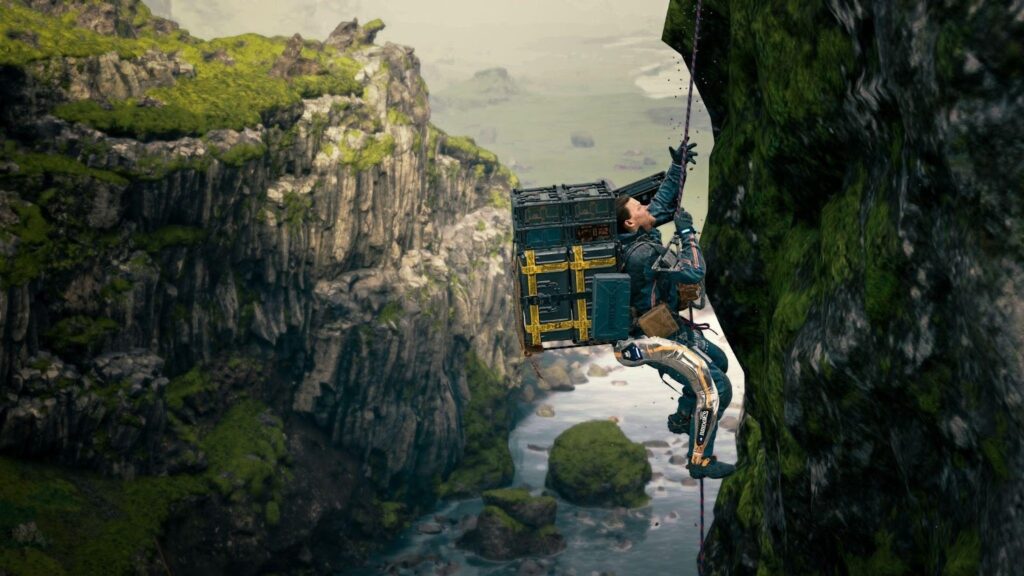
Loneliness in the city is often linked to a sense of disorientation and a lack of personal space. In this regard, open-world games like Death Stranding offer a unique therapeutic experience. As the courier Sam Bridges, you travel through desolate landscapes, restoring connections between isolated cities. The feeling that other players invisibly help you by building roads or leaving items creates a powerful sense of belonging. It teaches one to perceive loneliness as a temporary state where support is always possible.
This mechanic of asynchronous interaction fits the perception of urban life perfectly. We use infrastructure created by others every day, yet rarely think about the people behind it. In the game, every bridge or ladder becomes a symbol of invisible care. This allows for a fresh look at the environment: concrete walls stop appearing hostile when seen as the result of someone else’s labor. Such an experience helps reduce the anxiety that arises in an anonymous metropolis.
For me, these worlds provide a necessary space for pause and reflection. Amid constant noise, the opportunity to simply walk forward while observing the landscape becomes a form of meditation. Here, loneliness is transformed from oppressive isolation into conscious solitude that replenishes strength. Ultimately, virtual architecture provides the sense of peace and control that we often lack on the real streets of large cities.
Role-playing Interactions and Finding “Your People”
In a noisy metropolis, we often wear masks dictated by social status or office etiquette, which only intensifies alienation. Projects like Final Fantasy XIV provide the opportunity to manifest character traits that remain untapped in everyday life. In-game guilds often transform into families with their own traditions and mutual support. Here, you are valued for your skills and willingness to help, not your job title. This acceptance helps restore self-confidence and carry it over into daily reality.
For many, such communities are the only place to be themselves without fear of judgment. In a city where social contacts are often transactional, sincerity in the virtual world feels especially precious. When you spend hours with a team facing a challenging boss, social barriers collapse. Only your contribution to the common cause matters, creating a solid foundation for deep emotional connections that are hard to find on busy streets.
Ultimately, virtual communication in MMOs compensates for the lack of quality attention in urban life. Knowing you are expected at a certain time for a game provides structure to evening hours that might otherwise feel empty. This transforms loneliness into a productive and pleasant pastime. Through these mechanics, we find the social support that helps us avoid feeling lost in a crowd of millions.
Storylines as a Tool for Reflection
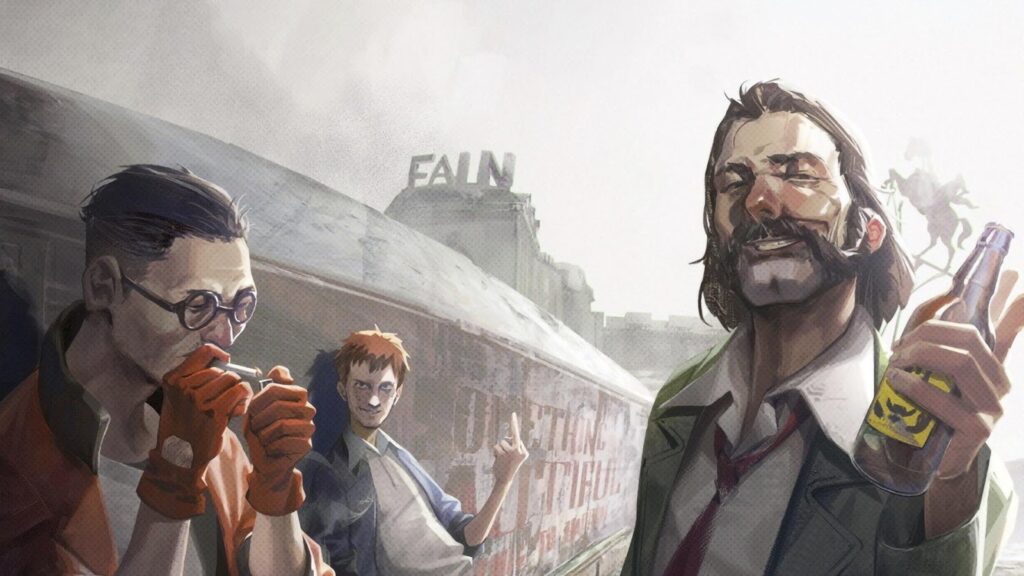
Sometimes, to cope with loneliness, you need to see it reflected in art to validate your feelings. Disco Elysium is a prime example of how a game dissects existential crisis and isolation within a decaying city. Interacting with the world through internal dialogues and random passersby allows you to view your problems with irony and gentle sadness. This creates a sense of a living dialogue with the author. Playing through such stories, you realize that every person in a real city carries a similar burden.
Deep character development forces you to reflect on your own experiences. In a metropolis, we often see people as mere functions, but games like this restore our capacity for empathy. Seeing a hero cope with internal emptiness makes your own fears seem less unique or insurmountable. This understanding makes the surrounding crowd feel more human, turning cold streets into a space of shared stories.
Ultimately, narrative-driven games act as a mirror that helps structure internal chaos. They provide a safe environment to experience complex emotions without requiring immediate action in reality. This gradually evolves into a skill for accepting loneliness as part of a collective human experience. Through these virtual metaphors, we gain the inner peace needed to feel confident even in the center of an indifferent city.
Conclusion
The digital world does not replace reality, but it provides the necessary tools to avoid feeling abandoned in a concrete forest. Games act as a bridge that connects individual “islands” into a common ecosystem where there is always room for participation. It is important to see this not as an escape from problems, but as a way to expand one’s social boundaries and find like-minded people. Ultimately, even in the largest city in the world, we remain social beings, and if technology helps us find our people, then it is fulfilling its primary mission.