
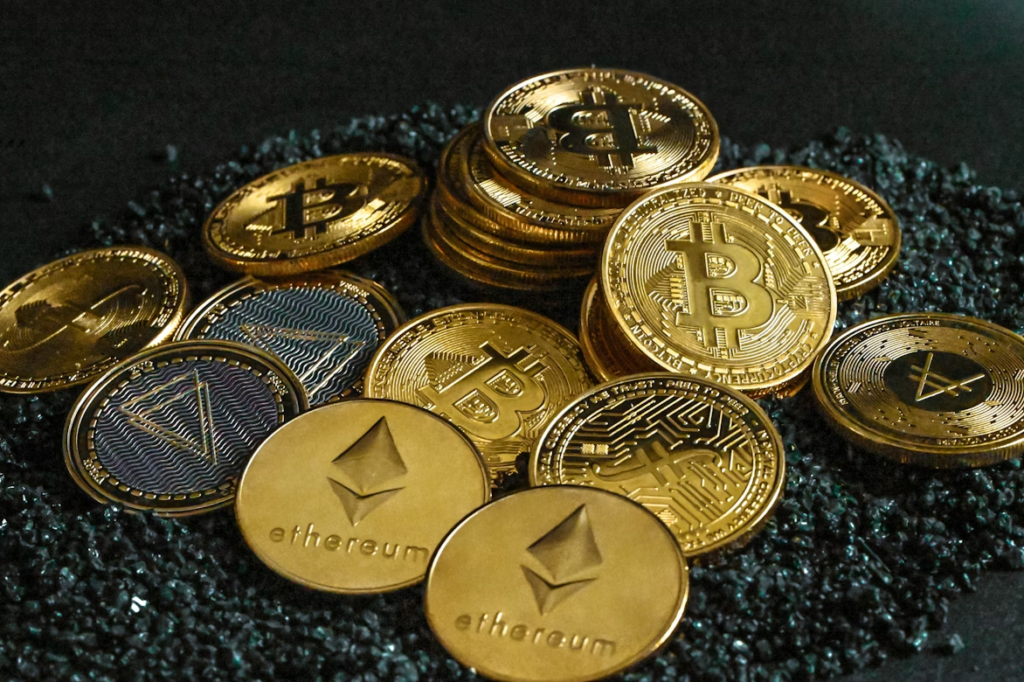
Trendy tokens move fast. One meme, one influencer post, or one new feature can send volume surging in a matter of hours. For developers, that chaos hides a useful signal. On-chain data shows who holds the token, how money moves, and whether the contract behaves as promised. If you want to build tools, trade with care, or simply understand the market, learning to read that data turns hype into something you can measure.
Start With the Contract, Not the Hype
Before staring at charts, start with the smart contract and pull the token on a block explorer to confirm it is the right asset. Grab the address from the project’s official channels, not random comments or search bars, and quickly check basics like total supply, decimals, and the contract’s launch date. Then skim the code or at least a verified view to see whether the owner can change fees, pause transfers, mint more tokens, drain liquidity, or blacklist wallets, or whether those powers are locked or ownership is renounced. No one has to be a full-time auditor, but spending a minute to spot obvious red flags is what keeps bags safe from contracts that can change the rules overnight.
The same discipline should apply whether you are researching a blue-chip protocol, an early-stage experimental token, or popular meme coins. While hype is important for meme coins, other factors matter more in the long run. Strong and accountable development teams, solid and transparent tokenomics, deep and reliable liquidity, and active communities that stay engaged when the price is down all play a key role. Clear or distinctive use cases are also what separate tokens that briefly pump from those that have a chance to survive more than one market cycle. Across all trendy tokens, letting the contract and fundamentals guide you instead of the hype is what turns quick impulses into informed decisions that can last beyond the next narrative.
Read Holder and Wallet Patterns
Once you understand the contract, shift your attention to the holder list. A healthy token usually is not sitting almost entirely in one or two wallets, and if a single address controls most of the supply, you are staring at a central point of failure. A wider spread across many wallets hints at broader interest, even if a few wallets still hold big positions. Watch for patterns in the top holders, whether they are team multisigs, exchange hot wallets, or fresh wallets with no history, and notice how and when positions formed. Do new holders keep showing up over time, or did most of them pile in during one early spike? A simple chart of unique holders over a few days or weeks helps you see whether interest is still building or already cooling, which matters if you are planning tools or integrations around that token.

Track Liquidity and Trading Behavior On-Chain
Price charts tell part of the story, but liquidity events live on-chain. For tokens that trade on decentralized exchanges, check the main pools and note which assets sit on the other side. A pair against a deep stablecoin pool offers a different profile than one paired only with a thin meme asset. You can also see when liquidity providers add or pull funds, which often lines up with big moves.
Volume and wallets show who is really driving a market. Spiky bursts with long quiet gaps usually mean a few players, while steady volume along a trend looks more like real use or sustained interest. Wallet behavior fills in the rest, revealing whether early buyers are taking gradual profits, nuking bags, or holding through swings. Simple scripts that track these flows and flag sharp shifts in volume, liquidity, or wallet actions can be surprisingly powerful.
Map the Token’s On-Chain Ecosystem
Popular tokens usually sit inside a wider web of contracts, from staking pools and farming vaults to NFT collections, and tracing those links on-chain shows how real the ecosystem is. A token that supports an active game, lending pool, or a well-used NFT drop has a stronger footing than one that only powers a single swap pair. Explorer APIs make this easier by letting you pull contract transactions, group them by method, and see which addresses interact most. With that view, you can quickly see whether people use the staking contract, whether fees actually reach the treasury wallet, and whether a DAO wallet is voting or everything still runs through one team wallet.
Turn Raw Data Into Practical Tools
Most developers will not scroll through explorer pages by hand for long. Once you know which signals matter, the next step is turning them into repeatable tools. That might mean a small script that checks holder counts each day, a dashboard that tracks liquidity changes across a basket of tokens, or a bot that pings your team when a whale moves.
You do not need a huge analytics stack to start. A simple pipeline that pulls data from a block explorer API, stores it in a small database, and renders a few charts in a web front end can already support smarter decisions. Over time, you can add more chains, more tokens, and more refined metrics. The key is to anchor each feature in questions you actually care about, not in abstract metrics that look clever but never guide real choices.
Combine On-Chain Signals With Off-Chain Context
On-chain data shows what happened, but not always why. A spike in volume might come from a partnership, listing, or social media trends, which you only catch by pairing contract events with off-chain signals like announcements and code commits. That combined view exposes empty hype when on-chain is busy, but the team is silent, and highlights sturdier projects where commits and real user activity grow together, which is exactly what you want when you build tools or products around these assets.
Conclusion
On-chain data does not remove uncertainty, but it keeps you from entering the market blind. By studying contracts, holders, liquidity, and ecosystem links, you get a clearer picture of what actually sits behind a trendy token’s chart. For developers, that insight turns random hype into structured information, which is the first step toward better tools, smarter integrations, and more durable projects.