
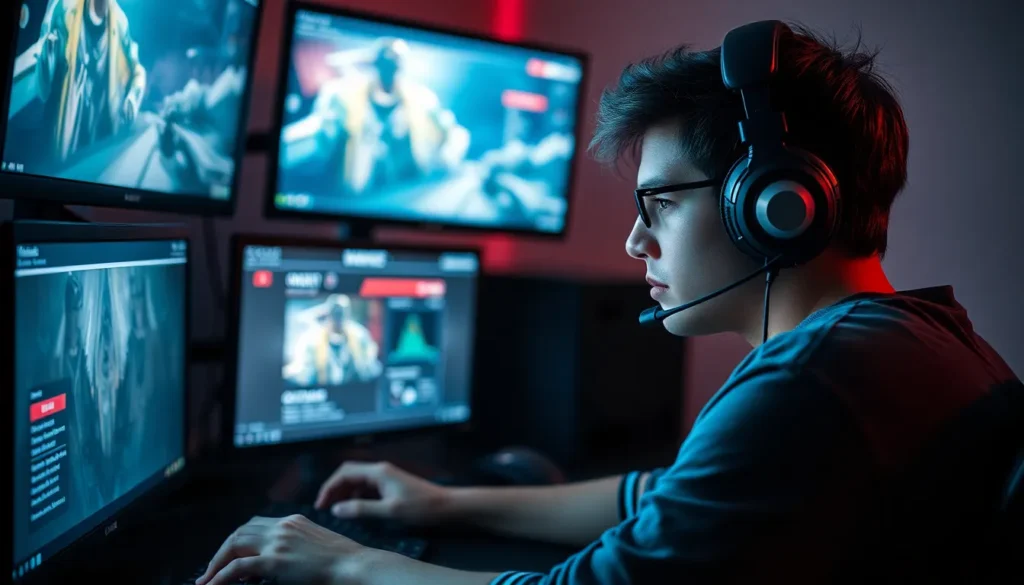
So, you want to build the next big online game. The kind people get hooked on, obsess over in their free time, and rant about on Reddit. The gaming industry is massive and figuring out where to start can feel a bit overwhelming at first, so let’s look at some things that might help you out.
Start by Understanding the Market
Before diving into engines or code, take a look at what’s happening in the gaming world. Read player reviews and check out games people can’t stop raving or complaining about. Pay attention to competitor games to see what players like, or don’t like, and what gaps no one has filled yet.
Also, do your best to understand your audience. Create player personas. Hang out in communities where they talk about games honestly and ask whatever questions you might have. People on Reddit do not hold back so take advantage of it.
Choose the Genre and Theme
Here’s where things get interesting. Whether it’s RPGs, simulation, shooters, or something chill, your genre choice will shape everything from mechanics to marketing. Look at what’s trending, what you personally enjoy making, and what the market doesn’t have enough of. Polls and community feedback can help you figure out whether people would actually play the game you’re thinking of making.
Once you have the genre figured out, you can start shaping your theme. Strong themes like mythology, pop culture, or superheroes for example, add personality, and all games benefit from a consistent narrative style.
What Online Slots Can Teach You About Good Game Design
Even if the genre you landed on isn’t a casino game, slot games can teach you a lot about pacing, themes, rewards, and player psychology.
Modern online slots rely on certified RNG and fair play logic to ensure fairness, which is why any popular slots game online needs to combine randomness with exciting themes, secure payments, and clean UI/UX to keep players engaged. They also show how powerful good sound design and polished animations can be. Even haptic effects play a role in making wins or losses feel immersive.
Build Your Concept
Start with something familiar and put your own twist on it. Brainstorm with your team (and make sure everyone knows their role), get inspired by movies, books, or real life, and test your concept early with focus groups.
If you can explain your idea in a single sentence and it gets people excited, you’re onto something.
Choosing the Right Tools
Engines like Unity, Unreal, or Godot all have their strengths. Pick one that matches the style and scale of your game. Same goes for programming languages. C++ is great for high-performance games, C# is more user-friendly, and while Python isn’t as common in full game development, you can use it for building tools or scripts.
Just make sure the tech is scalable and well-supported; you don’t want to get stuck mid-project with outdated tools.
Build Mechanics Players Won’t Get Bored Of
Gameplay is where players decide if they’ll stick around. Build prototypes quickly. Test them. Scrap them. Make new ones. Mix in challenges and keep the mechanics dynamic so the game doesn’t feel repetitive after ten minutes.
Polish Your Graphics, Sound, and UI
Then come visuals and audio. Consistent art style, smooth animations, and sound effects bring your game to life. Great background sounds can make even mediocre graphics into something great.
And UI/UX can make or break player retention. Test different layouts, make sure your interface makes sense across devices, and fix anything that doesn’t fit perfectly. Keep refining until it feels natural, clean, and enjoyable.
Test, Launch, Improve, Repeat
Everything must be thoroughly tested. So do a beta, or a soft launch in a smaller market. Gather feedback. Track behaviour analytics. Keep updating, improving, fixing issues, and adding fresh content. This is how great games stay alive.
Final Thoughts
At the end of the day, building the next big online game isn’t about having the wildest idea or the biggest team; it’s about understanding what players genuinely want and creating something exciting. Themes, mechanics, pacing, visuals, sound, all of it comes together piece by piece. And as long as you keep listening and improving, your game will turn into something players want to come back to.