
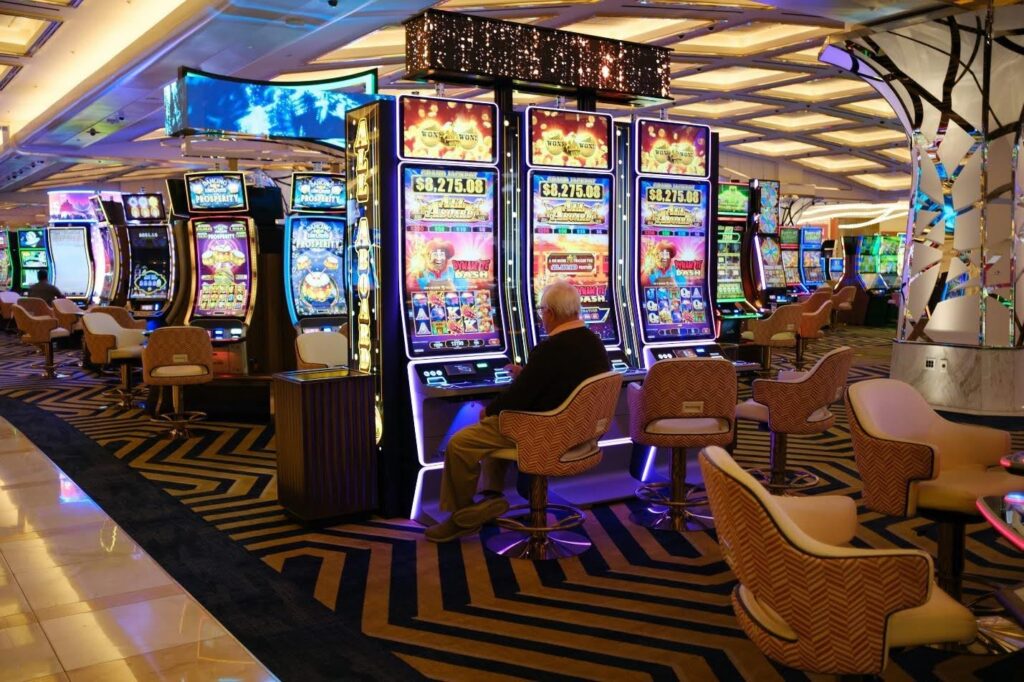
Tournament nights change the way people use digital platforms. Sessions become shorter, decisions become faster, and patience becomes thinner. Users are not browsing in a relaxed way. They are checking screens between other actions, switching attention quickly, and expecting the platform to keep up without delay. This matters because an interface that feels acceptable on a quiet afternoon can feel weak during a high-traffic evening. In that kind of setting, an india casino website is judged less by how much it offers and more by how clearly it handles pressure. If the layout feels crowded or the path feels longer than expected, users lose trust much earlier than many teams assume.
This shift is pushing casino design in a new direction. Tournament-style behavior rewards products that feel ready from the first tap. People want quick orientation, readable screens, and a stable path through the platform. They do not want to search through layers of visual noise while attention is already divided. The strongest platforms now reflect that reality in the way they structure pages, organize actions, and manage repeat visits.
Fast nights change what users notice first
A tournament-style session does not begin with deep reading. It begins with a quick screen check. Users want to know where they are, what matters now, and what they can do next. The first screen has to answer those questions without extra effort. If it fails, the product already feels harder to use.
This is why visual order carries so much weight during busy sessions. A clean first screen suggests control. A crowded one suggests friction. Even before users open categories or move deeper into the platform, they react to how the screen feels. On a high-pressure night, that reaction happens almost instantly.
What stands out most in these moments is not usually the number of features. It is the speed of understanding. A user can forgive a platform for offering less. It is much harder to forgive a platform that makes the first few seconds feel messy. Tournament-night behavior exposes weak prioritization very quickly. Too many competing boxes, loose hierarchy, and unclear first steps all create the same result. The platform feels slower than it really is.
Short attention is changing the shape of better interfaces
One of the biggest design lessons from event-driven sessions is simple. Short attention changes what good structure looks like. Users do not move through a platform in a calm line. They jump between sections, return after interruptions, and want each visit to feel easy to resume. That means a better casino interface has to work for fragmented use, not just for long sessions.
A useful screen usually gets a few important things right
- It shows one clear starting point.
- It keeps the main route short.
- It separates important actions from background elements.
- It makes the next step visible without extra searching.
These details matter more during tournament nights because users are less willing to tolerate hesitation. One extra layer, one unclear menu, or one overloaded section can make the whole flow feel heavier. Better interfaces understand that and remove unnecessary distance between the user and the useful part of the page.
This is also why predictable structure matters so much. If a page behaves in a familiar way, users return with less effort. They do not need to relearn the layout each time. That kind of continuity is no longer a small benefit. During event-driven traffic, it becomes part of the core product value.
Real-time pressure rewards clarity over feature volume
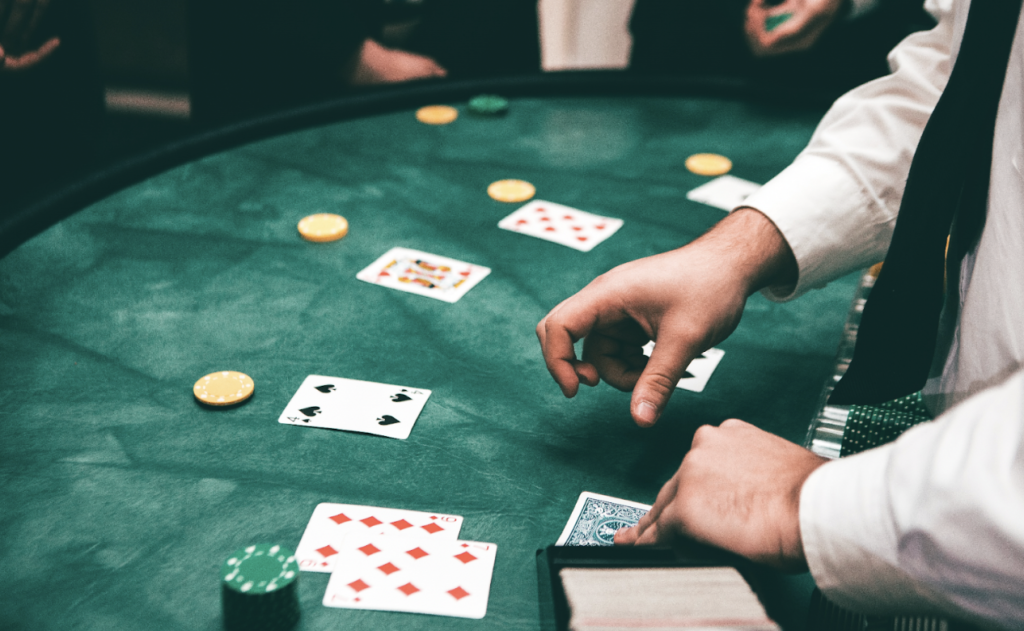
A common mistake in casino platform design is assuming that more visible options create a stronger experience. On tournament nights, the opposite is often true. More visible options can turn into more friction if the screen loses its internal order. Users may not describe the problem in design language, but they feel it immediately. The platform becomes harder to read and harder to trust.
Real-time pressure does not reward volume. It rewards clarity. The strongest platforms use hierarchy well. They make the important part of the screen obvious. They keep the visual weight under control. They let the interface guide the eye instead of forcing the user to sort everything manually.
This is where better design starts to look less like marketing and more like product discipline. Calm structure, readable sections, and strong spacing help users move faster because they reduce mental effort. A busy page may appear active, but it often creates more delay than it removes. A controlled page feels quicker even when it offers the same features.
That shift matters because tournament nights put every weak design decision under stress. A noisy interface might survive casual traffic. Under event pressure, it becomes tiring. Users want the platform to feel current, not chaotic. They want movement without confusion.
Better platforms are built for return visits, not one long session
Tournament-night behavior is rarely about one continuous visit. People open the platform, leave it, come back after a few minutes, switch devices, then return again. Good casino design now has to treat re-entry as a core use case rather than a side issue. The question is no longer only how the platform looks the first time. The real question is how it feels on the second, third, and fifth return.
This is where stable layout becomes a real advantage. Users trust platforms that keep important areas where they expect them to be. They also trust products that make recent actions easy to recover without confusion. A familiar structure lowers effort and increases confidence, especially when sessions are already fragmented.
The strongest platforms feel ready before they feel impressive. They do not demand full concentration. They support fast recognition. That is why controlled design now matters more than flashy presentation. Tournament nights are reshaping casino website design because they expose the difference between a platform that performs under pressure and one that only looks busy. The future belongs to products that respect limited attention, keep paths short, and make each return feel easier than the last.