
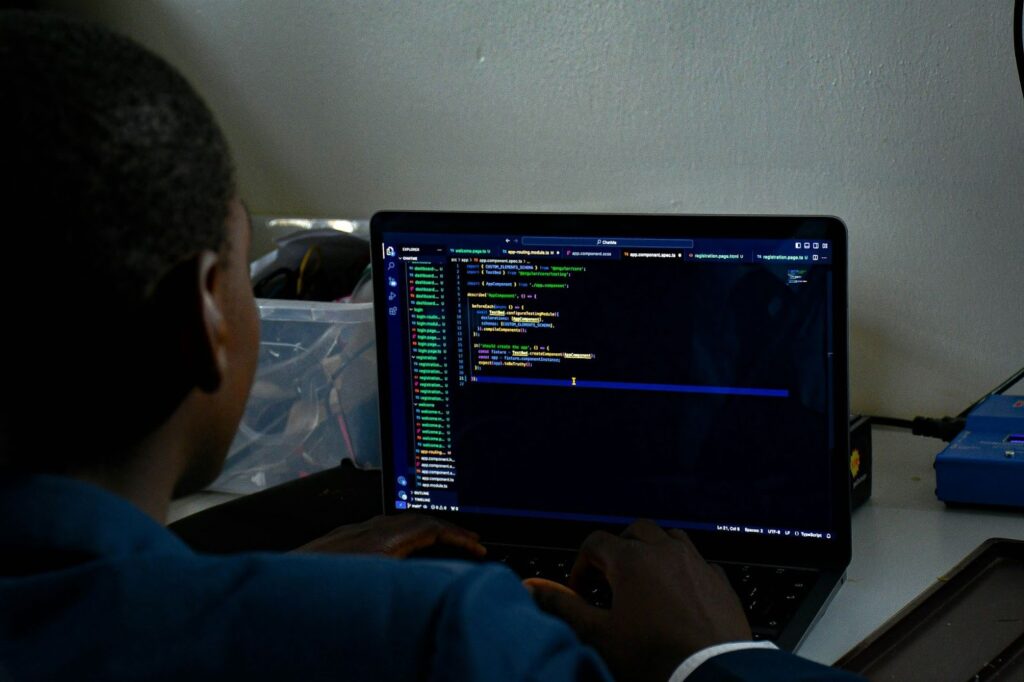
High-pressure coding projects are a reality for most developers. Tight deadlines, complex problem-solving, constant context switching, and the expectation to deliver clean, scalable code can push mental performance to its limits. While technical skill is essential, mental sharpness often becomes the deciding factor between productive progress and burnout.
Staying mentally sharp during demanding coding phases isn’t about working longer hours or relying solely on caffeine. It requires understanding how the brain responds to pressure and adopting strategies that protect focus, clarity, and decision-making under stress.
Why High-Pressure Projects Drain Mental Performance
Coding under pressure activates the brain’s stress response. When deadlines loom or production issues arise, cortisol levels rise. In short bursts, stress can improve alertness, but prolonged stress has the opposite effect—it reduces working memory, slows problem-solving, and increases mental fatigue.
This is why developers often experience:
- Difficulty focusing on complex logic
- Increased bugs and overlooked edge cases
- Slower debugging despite longer hours
- Mental exhaustion even after short tasks
Mental sharpness isn’t lost due to lack of ability—it’s compromised by cognitive overload.
Reduce Cognitive Load Before Writing Code
One of the biggest mistakes during high-pressure projects is trying to hold everything in your head. The brain can only manage a limited number of variables at once, and exceeding that limit leads to errors.
To reduce cognitive load:
- Break tasks into clearly defined steps
- Write down assumptions and constraints
- Use checklists for repetitive processes
- Document decisions as you go
Externalizing information frees up mental bandwidth, allowing you to focus on solving the actual problem rather than remembering it.
Protect Focus With Structured Deep Work
Multitasking is the enemy of mental sharpness. Notifications, messages, and constant context switching fragment attention and increase fatigue.
During high-pressure projects:
- Block time for uninterrupted deep work
- Silence non-essential notifications
- Batch communication into specific time windows
- Avoid switching tasks mid-problem
Even short, focused sessions of 60–90 minutes can significantly improve output and reduce mental strain compared to scattered work.
Manage Stress Before It Manages You
Stress management is often overlooked in technical fields, yet it directly affects cognitive performance. Developers who ignore stress signals often notice declining focus long before they recognize burnout.
Simple stress-regulation practices can make a measurable difference:
- Short walks between coding sessions
- Controlled breathing to reset the nervous system
- Light physical activity to reduce cortisol
- Brief mental breaks away from screens
Some developers also incorporate calming wellness tools into their routines. For example, during especially demanding periods, individuals may explore options like CBDFX CBD Gummies as part of a broader approach to relaxation and stress balance. While not a replacement for healthy habits, such tools are often used to support mental calm during high-pressure workloads.
Sleep Is a Performance Tool, Not a Luxury
Sleep deprivation is one of the fastest ways to destroy mental sharpness. Lack of sleep impairs logical reasoning, memory recall, and error detection—core skills for any developer.
During intense projects:
- Aim for consistent sleep schedules
- Avoid late-night debugging marathons when possible
- Stop caffeine intake several hours before sleep
- Prioritize recovery over squeezing in extra hours
One well-rested hour of coding often outperforms three hours of exhausted work.
Fuel the Brain, Not Just the Body
Mental performance is closely tied to nutrition and hydration. Skipping meals, relying on sugar spikes, or staying dehydrated increases brain fog and reduces sustained focus.
Support cognitive function by:
- Staying hydrated throughout the day
- Eating balanced meals with protein and healthy fats
- Avoiding heavy meals before deep work sessions
- Limiting excessive sugar and energy drinks
Small adjustments in diet can have noticeable effects on clarity and stamina during long coding sessions.
Build Mental Resilience Through Routine
High-pressure projects feel overwhelming when there is no structure outside of work. Creating predictable routines helps the brain feel more stable under stress.
Helpful routines include:
- Starting the day with a clear task list
- Ending work sessions with written next steps
- Having a consistent wind-down routine
- Separating work and personal time, even when remote
Mental sharpness improves when the brain knows what to expect.
Know When to Step Away
Ironically, pushing harder often leads to diminishing returns. When progress stalls, stepping away can restore clarity faster than forcing solutions.
Signs you need a break:
- Reading the same code repeatedly without insight
- Making simple syntax errors
- Feeling irritated or mentally “foggy”
- Debugging loops with no progress
Short breaks allow the subconscious mind to continue processing, often leading to breakthroughs when you return.
Long-Term Sharpness Comes From Sustainability
Staying mentally sharp during high-pressure coding projects isn’t about hacks or shortcuts. It’s about creating sustainable systems that protect your brain under stress.
Developers who consistently perform well under pressure tend to:
- Respect cognitive limits
- Manage stress proactively
- Prioritize sleep and recovery
- Use tools and routines that support mental clarity
Over time, these habits not only improve performance but also prevent burnout, making it easier to handle future challenges with confidence.
Final Thoughts
High-pressure coding projects test more than technical skill—they test mental endurance. By reducing cognitive load, managing stress, protecting focus, and supporting overall well-being, developers can maintain clarity even when demands are high.
Mental sharpness is a resource. Protecting it isn’t a weakness—it’s a professional advantage.